
Dallas High School
Nudgeathon
A behavioral science competition on youth substance abuse — presented by Rahul Singhal and United Against Use. Teams of high schoolers design real, evidence-based 'nudges' to shift the behaviors driving substance use in their own communities.
Students become the problem-solvers.
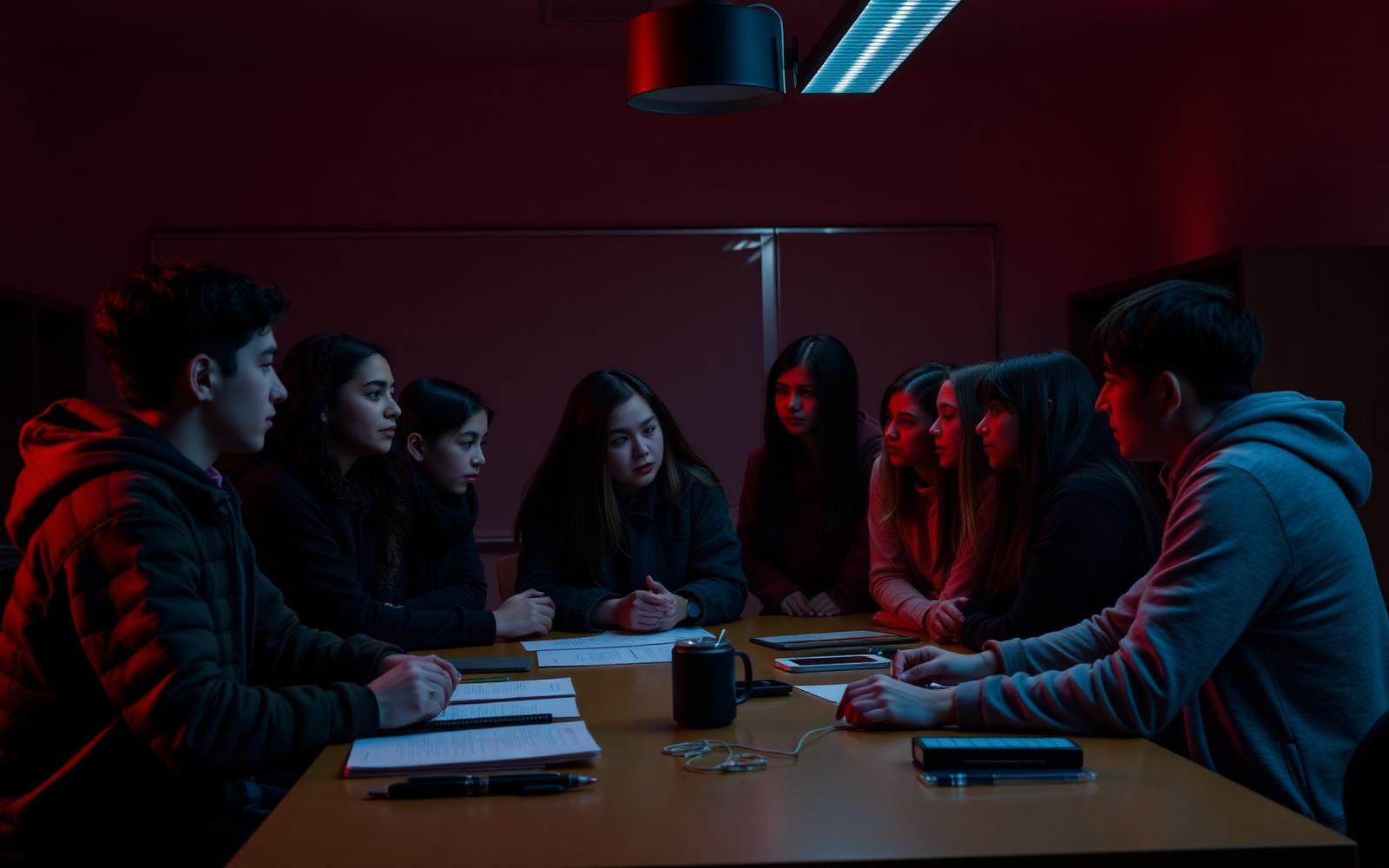
A Nudgeathon is a behavioral science competition where teams tackle a real-world problem by designing nudges: small, evidence-based changes to choice architecture that shift behavior without restricting options.
Unlike traditional substance abuse education, a Nudgeathon doesn't lecture students about harms. It challenges them to become the problem-solvers. Teams learn the behavioral science behind why people make risky decisions, then compete to design the most creative and implementable intervention.
The format has been run successfully at universities worldwide and is now being brought to the high school level in Dallas for the first time.
Why This Approach Works
Decades of research show that information-only programs (DARE being the most cited example) have little to no effect on youth substance use. What works is building skills, shifting social norms, and engaging young people as active participants — not passive audiences.
- Peer-led design thinking is more engaging than adult-delivered lectures.
- Behavioral science framing teaches transferable critical-thinking skills.
- Students who design interventions internalize the reasoning, not just the facts.
- Competition format creates intrinsic motivation and peer accountability.
- Produces real, potentially implementable solutions for community partners and policymakers.
Event Structure
One day. ~7 hours. From welcome to awards.
Judging Criteria
Judges are drawn from behavioral science, addiction medicine, public health, and community leadership. Teams are scored on four dimensions.
Behavioral Science Rigor
Is the nudge grounded in real behavioral science? Does it address the actual mechanism driving the behavior?
Feasibility
Could this realistically be implemented in a school, community, or digital setting? What would it cost?
Creativity
Is the solution novel? Does it go beyond obvious awareness campaigns?
Impact Potential
If implemented, how many students could it reach? How measurable would the outcomes be?
Launch Timeline
Get Involved
Interested in participating as a student, sponsoring the event, judging, or hosting the venue? Reach out directly to the organizer.